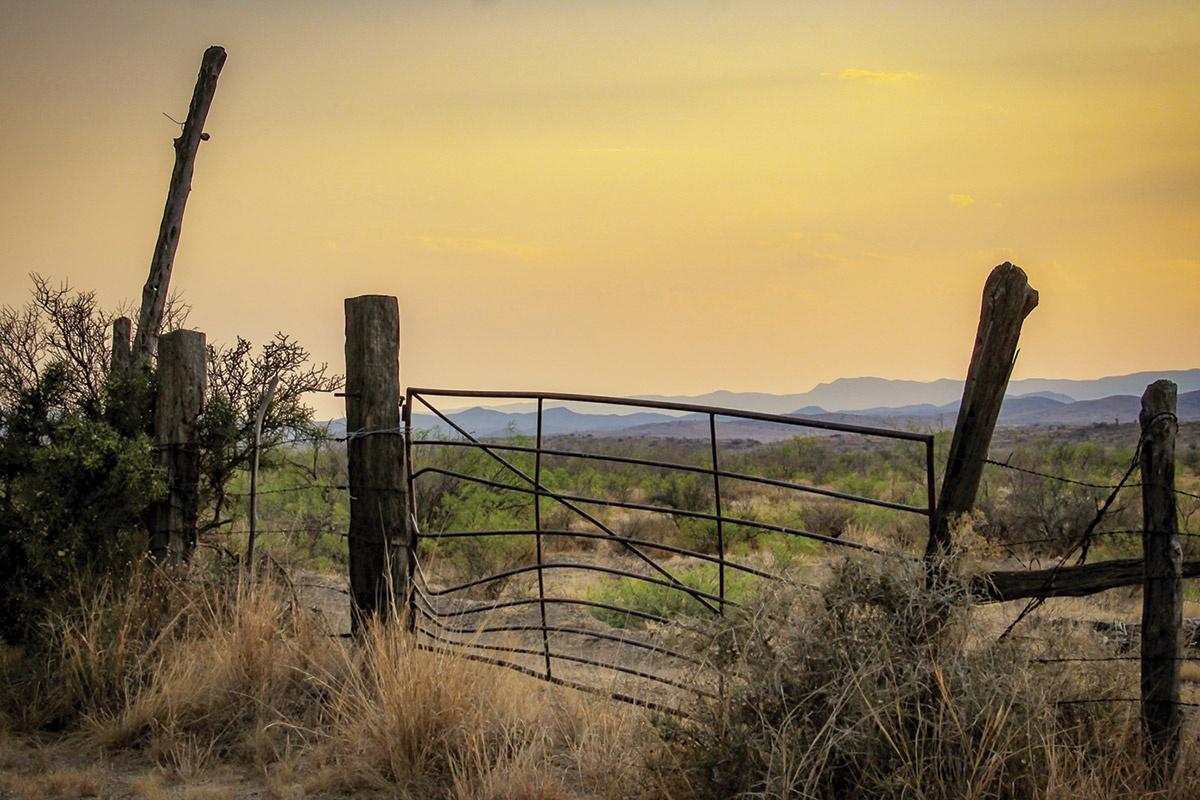
When it comes to Texas property law, you might expect the big fights to be about oil, minerals, pipelines, and ranchland. But one of the quirkiest—and most surprisingly common—civil disputes in Texas courts involves something far humbler:
Fences.
That’s right. The humble boundary fence is the star of some of the weirdest litigation in Texas civil practice. And it raises a question most Texans don’t know the answer to:
Can you legally remove a fence you believe is on your property?
Let’s explore this odd little corner of the law.
1. Texas Recognizes “Self-Help” in Boundary Disputes—but With Big Risks
Texas is one of the few states where a landowner technicallyhas the right to use self-help to remove a structure—like a fence—encroaching on their property.
In general:
- If a fence is clearly and undisputedly on your land,
- And you did not consent to its placement,
…Texas law does not explicitly forbid you from removing it without court involvement.
BUT…
Doing this carries massive legal risk, because if you are mistaken—even slightly—you can expose yourself to:
- Trespass liability
- Civil damages
- Injunctions
- Adverse possession complications
- Criminal mischief charges (yes, really)
The reason: property boundaries are rarely as simple as a plat map.
2. Texas Has “Adverse Possession by Fence Line” — and People Accidentally Give Their Land Away
Here’s where it gets truly quirky.
Under Texas Civil Practice & Remedies Code Chapter 16, a person can acquire title to land through adverse possession, and one of the most common methods occurs through — you guessed it — a fence.
If someone builds a fence that includes your land…
…and everyone treats that fence as the “real” boundary for years…
…and you don’t challenge it…
They may eventually gain legal ownership of the land inside the fence.
In other words:
Fences can silently and accidentally transfer real estate.
This is why removing a fence without getting the boundaries surveyed is effectively like performing surgery blindfolded.
3. “Boundary by Agreement” and “Boundary by Acquiescence”—The Folk Law of Texas Neighbors
Texas courts also uphold two unusual doctrines:
✔ Boundary by Agreement
Neighbors can, even informally, agree that a certain fence line is the property line—even if they’re wrong.
Over time, that agreement becomes binding.
✔ Boundary by Acquiescence
If both neighbors treat a fence as the boundary for a long time without objection, the fence can become the legal boundary, regardless of the deed.
Both doctrines rely on behavior, not documents.
It’s one of the few areas in Texas law where social custom can override paper title.
4. Tear Down the Wrong Fence—You Might Owe the Other Guy a New Fence
Under Texas tort law, if you remove a fence that belongs to your neighbor—even one partially on your land—you can be liable for:
- Actual damages
- Replacement costs
- Attorney’s fees (in certain cases)
- Punitive damages (if done maliciously)
In some cases, courts have even ordered:
- Restoration of the fence,
- Survey costs,
- Boundary markers, and
- Temporary or permanent injunctions.
So yes—removing a fence can end in a court order requiring you to put it back up.
5. A Weird but True Result: You Might Own the Fence, Even if It’s Not on Your Land
One of the strangest quirks:
If a fence straddles the property line, both neighbors can have joint ownership, even if:
- Only one neighbor built it, and
- Only one neighbor paid for it.
Texas treats certain shared fences like a shared wall—a quasi-easement of sorts.
This can lead to comical real-life scenarios, like:
- Who gets to paint it?
- Who repairs storm damage?
- Can one neighbor hang decorations on it?
- What if one wants barbed wire and the other hates it?
Courts resolve these on a case-by-case basis, often diving into decades-old conduct.
6. The Practical Rule: Don’t Touch a Fence Without Calling a Lawyer First
Because boundaries affect:
- title,
- possession,
- easements,
- adverse possession,
- trespass,
- and property damage,
Even the simplest fence-removal dispute can snowball into an expensive civil lawsuit.
Courts prefer peaceful solutions, such as:
- surveys,
- boundary agreements,
- settlement maps, and
- declaratory judgment actions (CPRC Ch. 37).
In fact, many lawyers will tell you:
“Never remove a fence. Sue for the right to remove it instead.”
Conclusion
Texas property law is full of big personalities, big land, big disputes—and surprisingly big headaches caused by little wooden fences.
A fence can:
- give away land,
- create unexpected legal obligations,
- bind neighbors to decades-old behavior,
- or get you sued for tearing it down.
In a state that prides itself on freedom, independence, and wide-open property rights, the fence remains one of the most powerful—and quirky—legal structures of all.
At David C. Barsalou, Attorney at Law, PLLC, we help clients navigate business, family, tax, estate planning, and real estate matters ranging from document drafting to litigation with clarity and confidence. If you’d like guidance on your situation, schedule a consultation today. Call us at (713) 397-4678, email barsalou.law@gmail.com, or reach us through our Contact Page. We’re here to help you take the next step.
