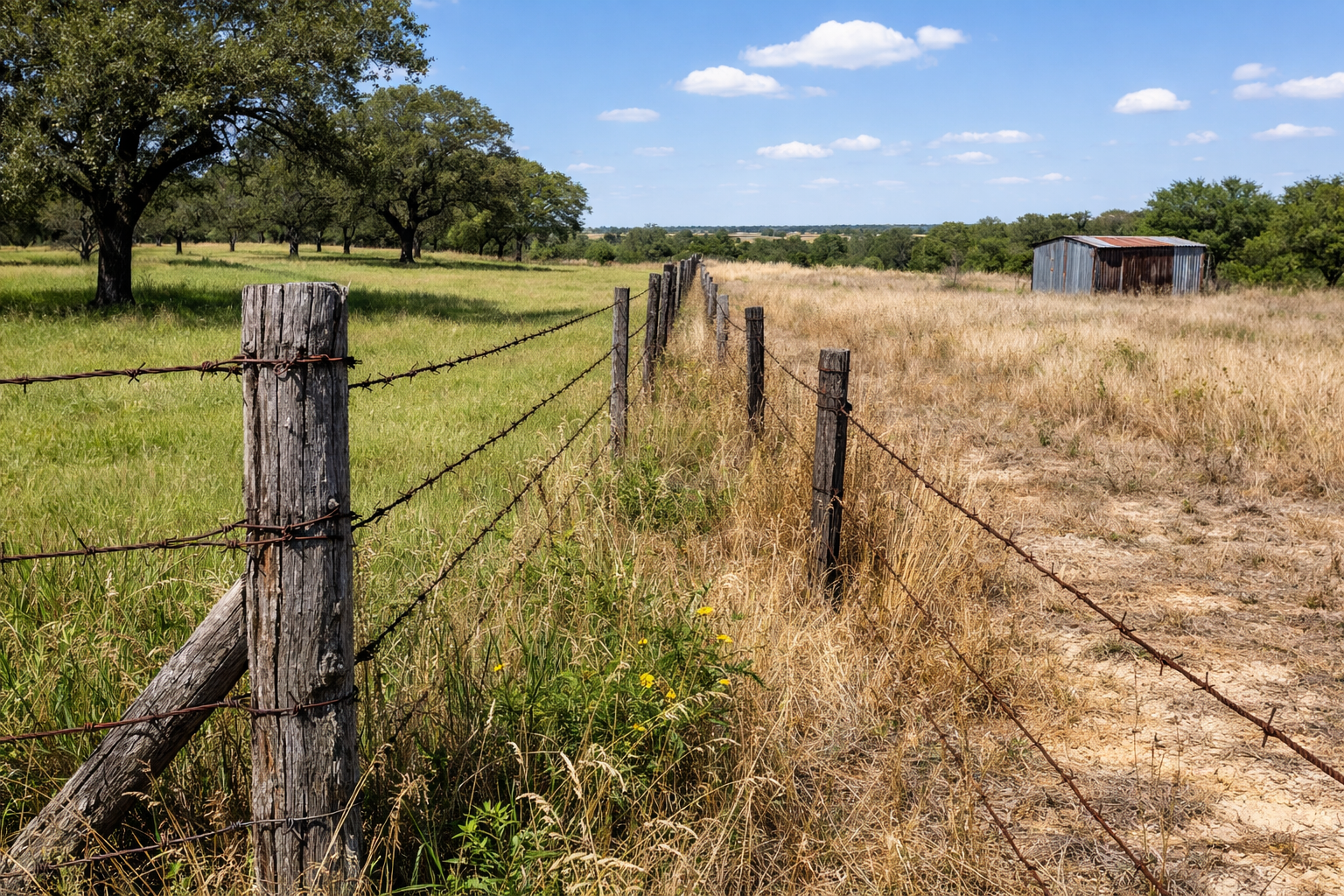
Can Someone Really Take Your Land? Adverse Possession and “Squatters’ Rights” in Texas
Few legal topics spark more anxiety than this question: can someone legally take your land just by occupying it?
In Texas, the answer is sometimes — but not in the way social media or pop culture often suggests. What people commonly call “squatters’ rights” is actually a centuries-old doctrine known as adverse possession, and it is far narrower and more demanding than most people realize.
Understanding how it works — and how it doesn’t — is critical for property owners.
What Is Adverse Possession?
Adverse possession is a legal doctrine that allows a person to acquire ownership of land without a deed, but only if very specific statutory requirements are met over a long period of time.
Texas recognizes adverse possession under Chapter 16 of the Texas Civil Practice & Remedies Code, with several different limitation periods depending on the facts.
This is not accidental or casual occupation — it is a high-burden claim that courts scrutinize carefully.
The Core Requirements (All Must Be Met)
For possession to qualify as “adverse,” it must be:
- Actual – The person must physically use the land (not just claim it).
- Open and notorious – The use must be obvious enough that a true owner could notice it.
- Exclusive – Not shared with the true owner or the general public.
- Hostile – Without the owner’s permission (this does not mean aggressive).
- Continuous – Uninterrupted for the full statutory period.
If any of these elements fail, the claim fails.
The Texas Time Periods (This Is Where People Get Confused)
Texas has multiple adverse possession statutes, not just one:
- 3-Year Statute – Requires possession under color of title (rare).
- 5-Year Statute – Requires:
- A recorded deed (even if defective),
- Payment of property taxes, and
- Cultivation or use of the land.
- 10-Year Statute – The most commonly cited, but:
- Limits the amount of land claimed, and
- Still requires continuous, visible possession.
- 25-Year Statute – Applies even against some defects and disabilities.
In practice, most claims fail because they cannot meet these requirements cleanly.
“Squatters” vs. Adverse Possessors
A squatter who simply occupies property does not automatically gain rights.
Common misconceptions:
- ❌ Living somewhere for a few months creates ownership
- ❌ Changing locks establishes rights
- ❌ Receiving mail proves possession
- ❌ Police refusal to remove someone equals ownership
None of these are true.
Adverse possession is decided by courts, not by self-help or delay.
Why Fence and Boundary Disputes Are the Real Risk Area
The most successful adverse possession claims in Texas usually arise from:
- Old fence lines
- Rural or semi-rural land
- Long-standing boundary misunderstandings
- Inherited property that no one actively monitored
These cases often involve good-faith mistakes, not bad actors.
That is precisely why property owners should pay attention early — not after decades have passed.
How Property Owners Protect Themselves
Simple steps dramatically reduce risk:
- Periodically inspect your property
- Address encroachments early
- Use written permission or licenses when allowing use
- Avoid informal boundary assumptions
- Resolve fence disputes promptly
Silence over long periods can be costly.
Final Thoughts
Texas law does not reward opportunistic land theft — but it doesvalue certainty, notice, and long-term reliance. Adverse possession exists to settle land disputes that linger for decades, not to encourage sudden takeovers.
If you own land, awareness is your best protection.
At David C. Barsalou, Attorney at Law, PLLC, we help clients navigate business, family, tax, estate planning, and real estate matters ranging from document drafting to litigation with clarity and confidence. If you’d like guidance on your situation, schedule a consultation today. Call us at (713) 397-4678, email barsalou.law@gmail.com, or reach us through our Contact Page. We’re here to help you take the next step.