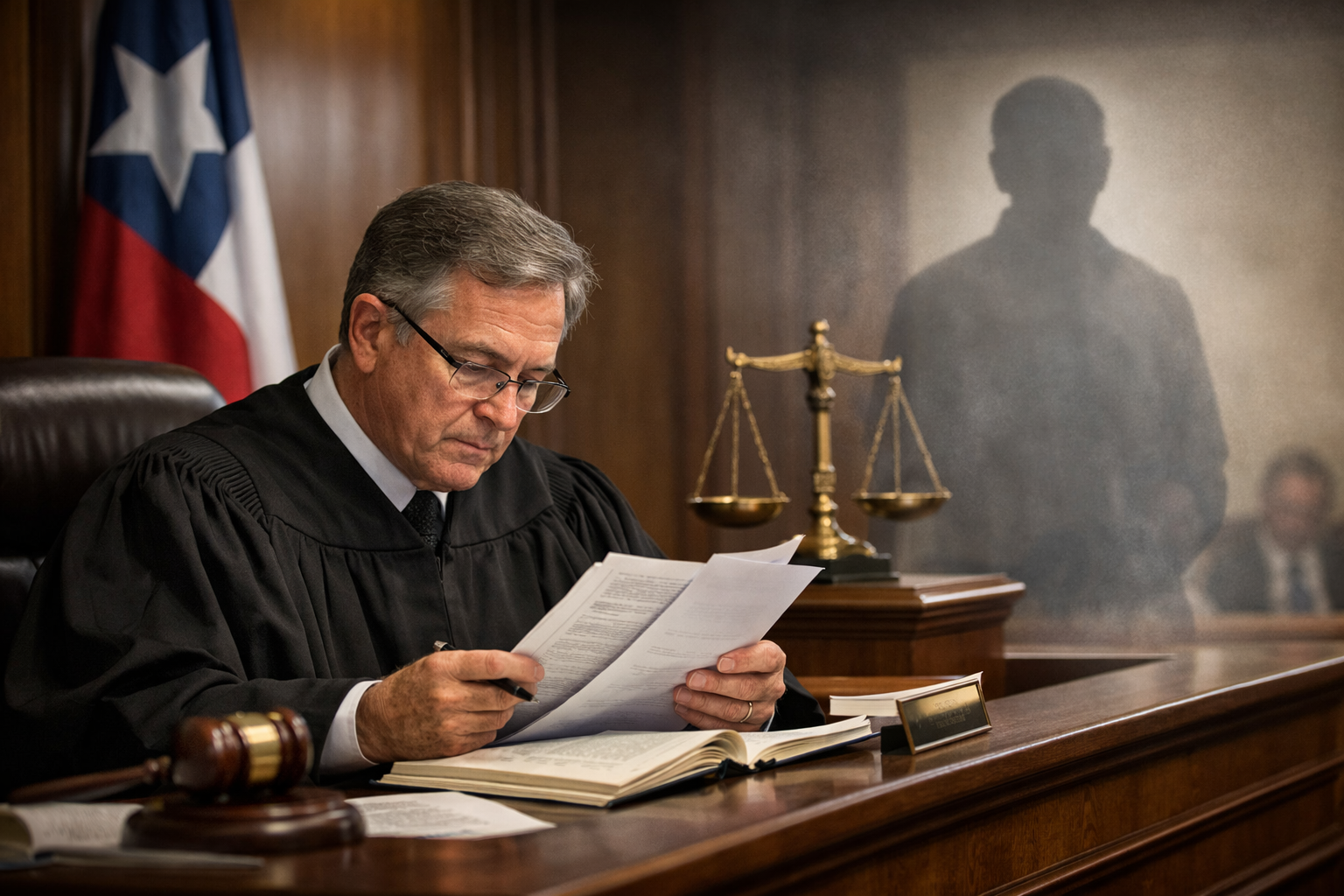
If someone promised you money, land, or property before they died, you might assume you can simply testify in court and collect what you are owed.
In Texas, it is not that simple.
Under a little-known rule called the Dead Man’s Rule, courts often bar testimony about conversations with deceased people—even when the witness is telling the truth.
This technical rule regularly surprises heirs, caregivers, business partners, and informal lenders who believe they have strong claims against an estate.
Understanding this rule can make the difference between winning and losing a probate or property dispute.
What Is the Texas Dead Man’s Rule?
Texas recognizes the Dead Man’s Rule in Texas Rule of Evidence 601(b), which states in part:
“In civil cases, a party may not testify against a deceased person’s estate about an oral statement by the deceased unless the testimony is corroborated.”
In plain English:
If you are suing (or defending against) an estate, you generally cannot rely solely on your own testimony about what the deceased person supposedly said.
The law assumes that dead people cannot defend themselves—so courts require extra protection against fabricated claims.
Why Does This Rule Exist?
The Dead Man’s Rule is designed to prevent:
- False claims against estates
- Fabricated loan stories
- Made-up inheritance promises
- Self-serving testimony
- “He told me I could have it” arguments
Once someone has passed away, there is no way for them to contradict a witness. The rule protects heirs and beneficiaries from unsupported accusations.
When Does the Rule Apply?
The rule usually applies when:
✔ The case involves a deceased person’s estate
✔ The testimony concerns an oral statement
✔ The witness has a financial interest
✔ The estate is a party to the case
Common scenarios include:
- “He promised me the house”
- “She said I’d get paid later”
- “He loaned me money”
- “She agreed to give me the land”
- “He told me I could keep the business”
If your claim depends only on your memory, you may have a serious problem.
When Does the Rule NOT Apply?
The Dead Man’s Rule has important exceptions.
1. Written Evidence Exists
If you have:
- A contract
- A promissory note
- A deed
- Text messages
- Emails
- Signed letters
The rule often does not apply.
Courts prefer documents over memories.
2. Independent Corroboration
Testimony may be allowed if supported by:
- Third-party witnesses
- Bank records
- Payment receipts
- Recorded conversations
- Business records
- Consistent documentation
One credible witness can often save a claim.
3. The Estate “Opens the Door”
If the estate introduces testimony about the deceased’s statements first, the opposing party may respond.
This is called “opening the door.”
4. The Case Is Not Against the Estate
If the lawsuit is between living parties and the estate is not involved, the rule may not apply.
How This Rule Affects Real People
In practice, this rule frequently defeats claims such as:
Informal Loans
“I loaned him $50,000 and he promised to repay me.”
Without paperwork? Likely barred.
Caregiver Promises
“She said I’d get the house for taking care of her.”
Without proof? Often rejected.
Business Agreements
“He agreed I’d own half the company.”
No written agreement? High risk.
Family Arrangements
“Dad promised me the ranch.”
Courts require strong corroboration.
What Happens If the Rule Applies?
If the rule applies, the court may:
❌ Exclude your testimony
❌Strike your affidavit
❌Disregard your statements
❌Grant summary judgment
❌Dismiss your claim
Even truthful claims can fail.
Strategic Implications in Texas Probate Litigation
As a practical matter, the Dead Man’s Rule changes how cases are built.
Experienced probate and civil litigators focus on:
- Paper trails
- Banking history
- Witness networks
- Digital records
- Prior filings
- Tax records
- Property records
Winning these cases is about documentation—not storytelling.
How to Protect Yourself Before Someone Passes Away
If you are owed money or property by someone who is aging or ill, protect yourself early:
Get It in Writing
Even a simple signed note can help.
Use Proper Transfers
Deeds, contracts, and assignments prevent disputes.
Preserve Records
Save texts, emails, and payment confirmations.
Formalize Family Deals
Handshake agreements often die with the person.
What If You Are Already in a Dispute?
If you are involved in a probate or estate dispute where the Dead Man’s Rule may apply, you should act quickly.
Key steps include:
- Identifying corroborating witnesses
- Locating documents
- Preserving digital evidence
- Evaluating admissibility
- Structuring testimony properly
Small procedural mistakes can destroy otherwise valid claims.
Why This Rule Matters More Than Most People Realize
Many Texans assume probate disputes are about “fairness.”
In reality, they are about evidence rules.
The Dead Man’s Rule is one of the most powerful technical defenses available to estates—and one of the most misunderstood by claimants.
Final Thoughts
If your case depends on “what someone said before they died,” you are already facing an uphill battle.
Texas courts require proof—not memories.
Understanding the Dead Man’s Rule early can save thousands of dollars in wasted litigation and prevent devastating losses.
At David C. Barsalou, Attorney at Law, PLLC, we help clients navigate business, family, tax, estate planning, and real estate matters ranging from document drafting to litigation with clarity and confidence. If you’d like guidance on your situation, schedule a consultation today. Call us at (713) 397-4678, email barsalou.law@gmail.com, or reach us through our Contact Page. We’re here to help you take the next step.