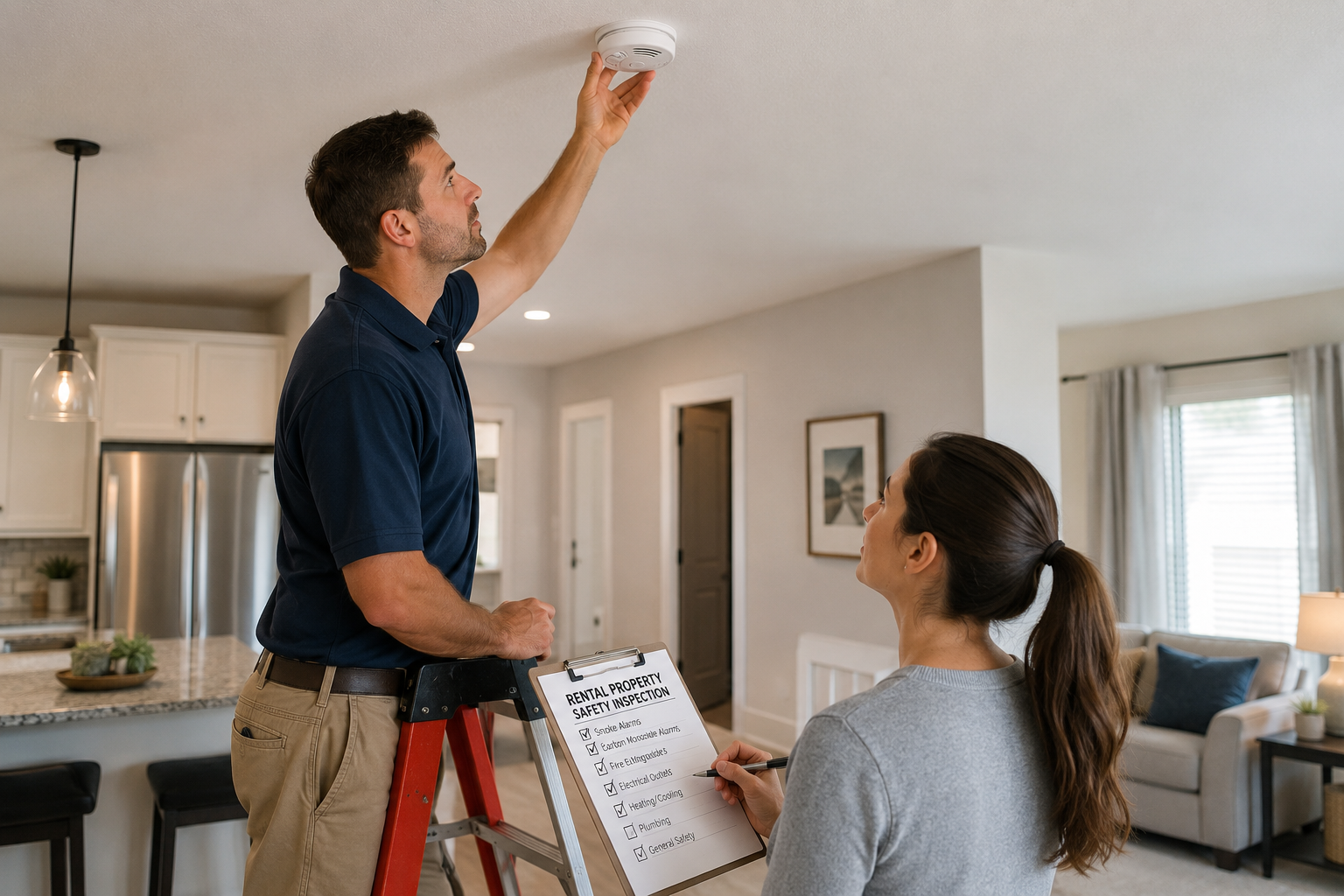
Smoke alarms save lives, but they also create legal obligations for both landlords and tenants. Many Texas landlords assume that installing a smoke alarm once is enough, while many tenants believe the landlord must maintain smoke alarms indefinitely regardless of the circumstances.
The Texas Health and Safety Code provides a detailed statutory framework governing smoke alarms in residential rental properties. Understanding these rules can help landlords avoid liability and help tenants understand their rights.
Texas Law Requires Smoke Alarms
Texas Health and Safety Code Chapter 766 generally requires landlords to install smoke alarms in residential rental units.
The Legislature states:
"The landlord shall install at least one smoke alarm in each dwelling unit."
Tex. Health & Safety Code § 766.004.
The exact number and placement of smoke alarms depend upon the configuration of the dwelling and the requirements established elsewhere in Chapter 766.
Landlords Must Also Inspect Smoke Alarms
Installation is only part of the obligation.
Section 766.008 provides:
"The landlord shall inspect and repair a smoke alarm if the tenant gives the landlord notice of a malfunction or requests that the landlord inspect or repair the smoke alarm."
In other words, if a tenant notifies the landlord that a smoke alarm is not working, Texas law generally requires the landlord to inspect and repair it within the statutory framework.
Tenant Responsibilities Matter Too
The statute does not place every responsibility on the landlord.
Tenants generally should:
- Promptly notify the landlord if a smoke alarm malfunctions.
- Avoid intentionally damaging or disabling smoke alarms.
- Avoid removing batteries or otherwise interfering with the alarm's operation.
- Allow reasonable access for inspection and repair when proper notice is given.
A tenant who disables a smoke alarm may create significant safety risks while also complicating potential legal disputes after a fire.
Can a Tenant Waive These Protections?
Generally, no.
Texas law treats many smoke alarm requirements as mandatory public safety protections.
Lease provisions attempting to eliminate statutory smoke alarm duties may not be enforceable.
Why This Matters in Evictions
Smoke alarm disputes sometimes arise during landlord-tenant litigation.
Examples include:
- A tenant claims the landlord ignored repeated repair requests.
- A landlord discovers smoke alarms have been intentionally disabled.
- A tenant withholds rent based upon alleged safety concerns.
- A property inspection reveals missing smoke alarms before the property is re-rented.
Whether these issues affect an eviction or separate claims depends upon the specific facts and the applicable statutes.
Potential Liability After a Fire
When a fire causes injuries or property damage, smoke alarm compliance frequently becomes an important issue.
Attorneys may examine:
- Whether smoke alarms were properly installed.
- Whether required inspections occurred.
- Whether repair requests were ignored.
- Whether the tenant disabled or removed the alarm.
- Whether statutory duties under Chapter 766 were satisfied.
Compliance with the statute may become an important piece of evidence in later litigation.
Practical Advice for Landlords
Landlords should:
- Verify smoke alarms before every new tenancy.
- Keep written records of installation dates.
- Document repair requests.
- Promptly respond to reported malfunctions.
- Maintain records of inspections and repairs.
Good documentation often becomes just as important as the repairs themselves.
Practical Advice for Tenants
Tenants should:
- Test smoke alarms periodically.
- Report malfunctions in writing.
- Keep copies of maintenance requests.
- Never disable or remove smoke alarms.
- Allow reasonable access for repairs.
Written communication creates a clear record if disputes later arise.
Conclusion
Texas Health and Safety Code Chapter 766 creates important legal duties regarding smoke alarms in residential rental housing. Both landlords and tenants have responsibilities, and understanding those obligations can help prevent injuries, disputes, and litigation.
If you have questions involving landlord-tenant law, lease disputes, or property litigation in Texas, consulting with an experienced attorney can help protect your legal rights.
Need Assistance with a Texas Landlord-Tenant Matter?
Whether you are a landlord seeking to comply with Texas law or a tenant dealing with unsafe rental conditions, David C. Barsalou, Attorney at Law PLLC provides practical legal guidance in landlord-tenant disputes, real estate litigation, contract matters, and related civil litigation throughout Texas.
Contact us today to schedule a consultation.
At David C. Barsalou, Attorney at Law, PLLC, we help clients navigate business, family, tax, estate planning, and real estate matters ranging from document drafting to litigation with clarity and confidence. If you’d like guidance on your situation, schedule a consultation today. Call us at (713) 397-4678, email barsalou.law@gmail.com, or reach us through our Contact Page. We’re here to help you take the next step.